

Plastering, skimming and dry lining: what is the difference?
- Home
- Industry Intel
- Plastering, skimming and dry lining: what is the difference?
A clear explanation of common interior wall treatments and when each may be specified.
Skimming
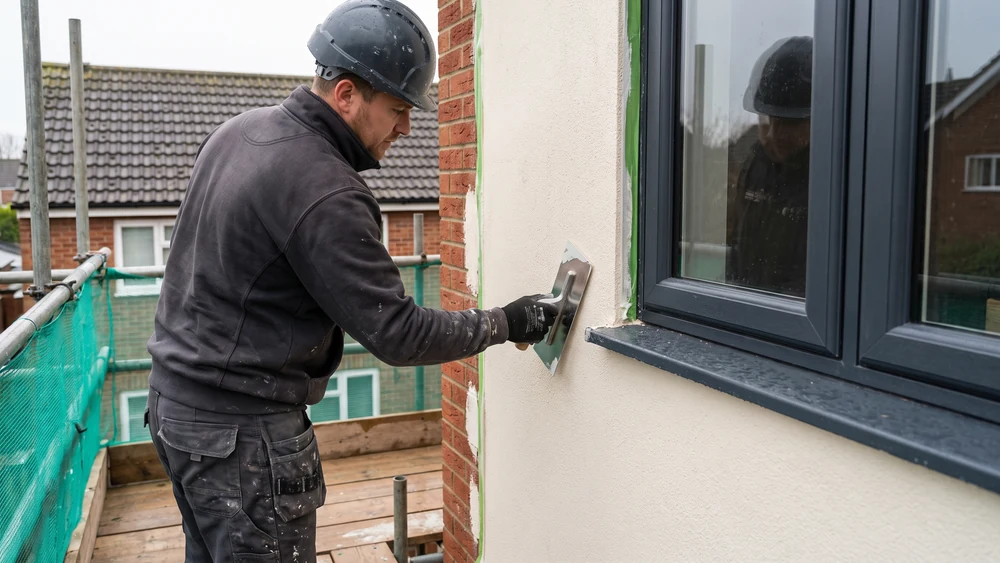
Skimming is the application of a thin finishing plaster over a suitable prepared background to create a smooth surface for decoration.
Backing plaster
Deeper or uneven backgrounds may require a backing plaster before the finish coat. The wall condition and intended build-up determine the products.
Dry lining
Plasterboard is fixed mechanically or with adhesive to create a new lining. It can help form walls and ceilings efficiently, but junctions, services and moisture conditions still matter.
Repairs
Local damage can sometimes be patched, though large or repeated defects may justify renewing a wider area for a more consistent result.
What decorators need
Plaster must be fully dry, clean and suitably prepared before painting. Rushing this stage can lead to poor adhesion or uneven appearance.
Discuss a project
Share photographs, location, service required and preferred timing for an initial review.
Request a Quote